SeniorFit

Pilates for Seniors (Free Printable Chart)

Pilates for older adults focuses on slow, controlled movements that build core strength, good posture, and body awareness. This free printable chart lists seven gentle moves — the modified hundred, leg circles, spine stretch, the saw, a glute bridge, an oblique bend, and cat-cow — each with large step-by-step text and a rep count. Move slowly and breathe with every repetition.

Position
Floor and seated
Equipment
A soft exercise mat and a chair
Exercises
7

The exercises

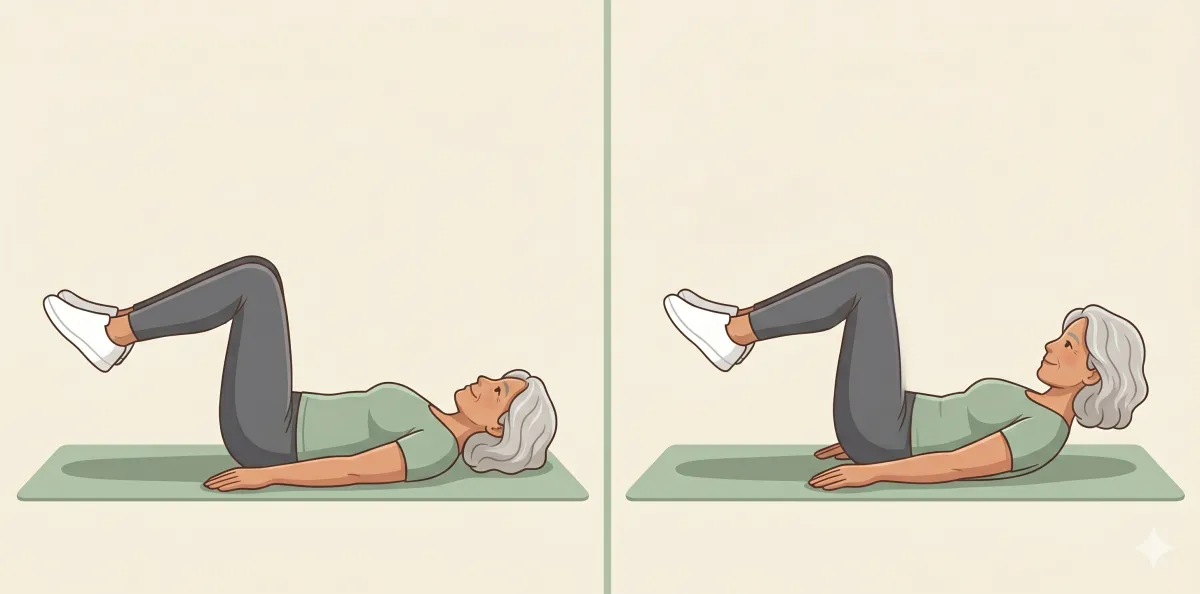
Modified Hundred: the starting position on the left and the finishing position on the right

Modified Hundred

  1. Lie on the mat with knees bent, feet flat, and arms at your sides.
  2. Breathe in to prepare, then breathe out and curl the head and shoulders up gently.
  3. Pulse the arms up and down in small beats for five counts in, five counts out.

Aim for: 3 rounds of 10 beats · 1 set

Warms up the core and gets the breath moving.
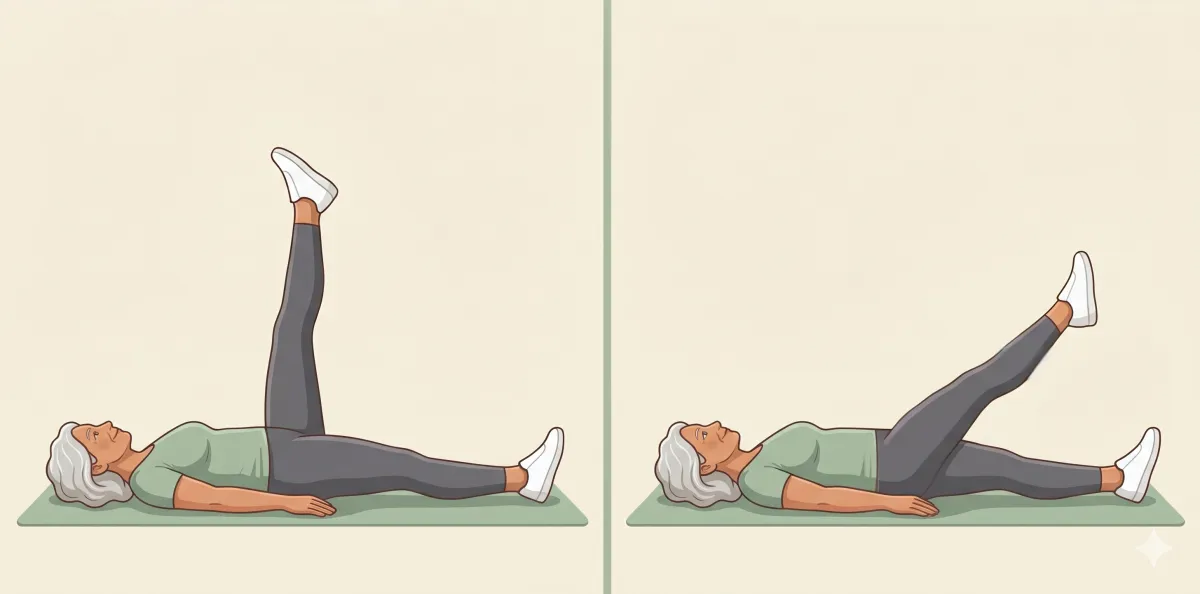
Single Leg Circle: the starting position on the left and the finishing position on the right

Single Leg Circle

  1. Lie on the mat, one leg extended, the other raised toward the ceiling.
  2. Circle the raised leg slowly across the body, down, and around.
  3. Circle the other way, then lower and switch legs.

Aim for: 5 circles each way, each leg · 1 set

Builds hip control and gently works the core.

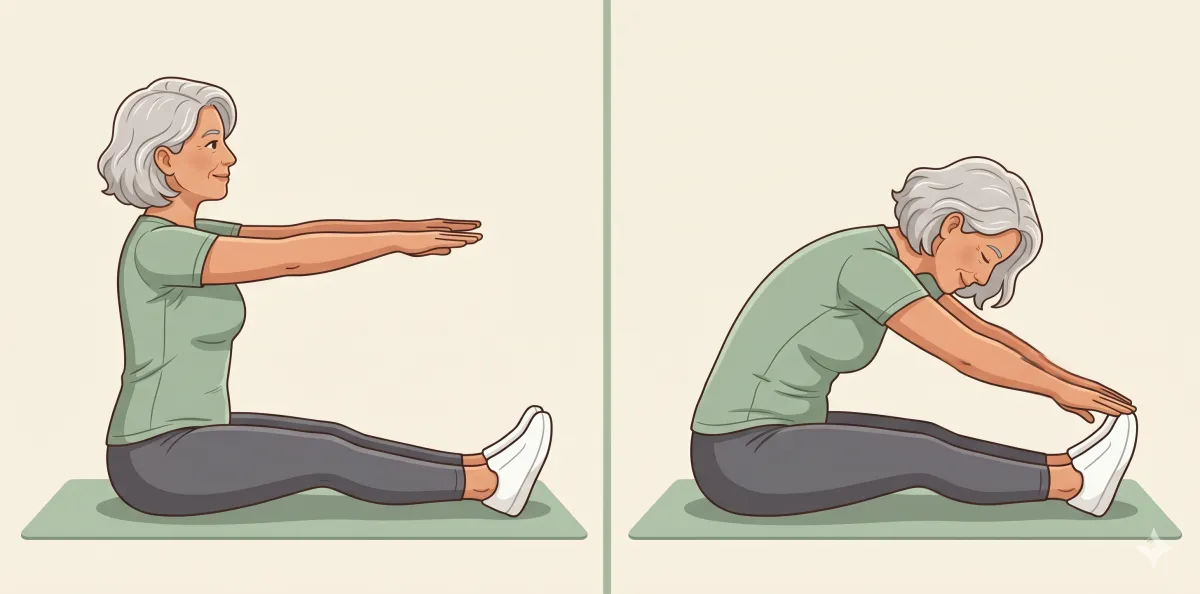
Seated Spine Stretch: the starting position on the left and the finishing position on the right

Seated Spine Stretch

  1. Sit tall on the mat with both legs extended in front, feet flexed.
  2. Breathe in, lengthen the spine; breathe out and reach forward along the legs.
  3. Breathe in and roll back up to sitting tall.

Aim for: 6 reps · 1 set

Stretches the spine and backs of the legs.

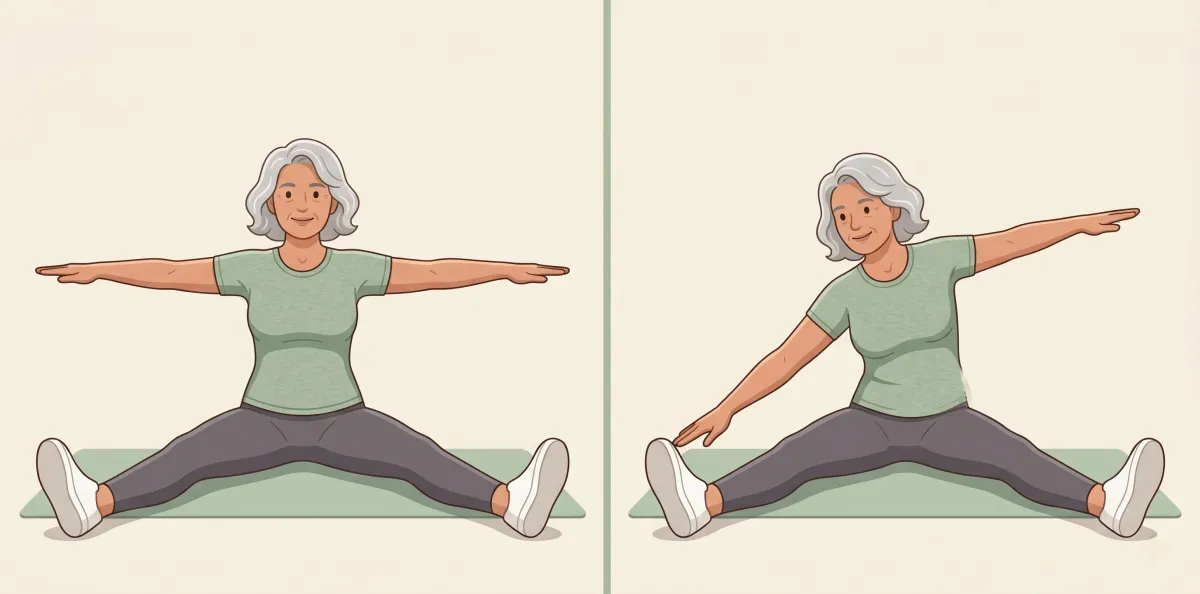
Seated Saw: the starting position on the left and the finishing position on the right

Seated Saw

  1. Sit tall on the mat with legs extended wide apart, arms out to the sides.
  2. Breathe out and twist to the right, reaching your left hand toward your right foot.
  3. Breathe in and return to center, then repeat to the other side.

Aim for: 4 reps each side · 1 set

Rotates the spine and stretches the back of the legs.

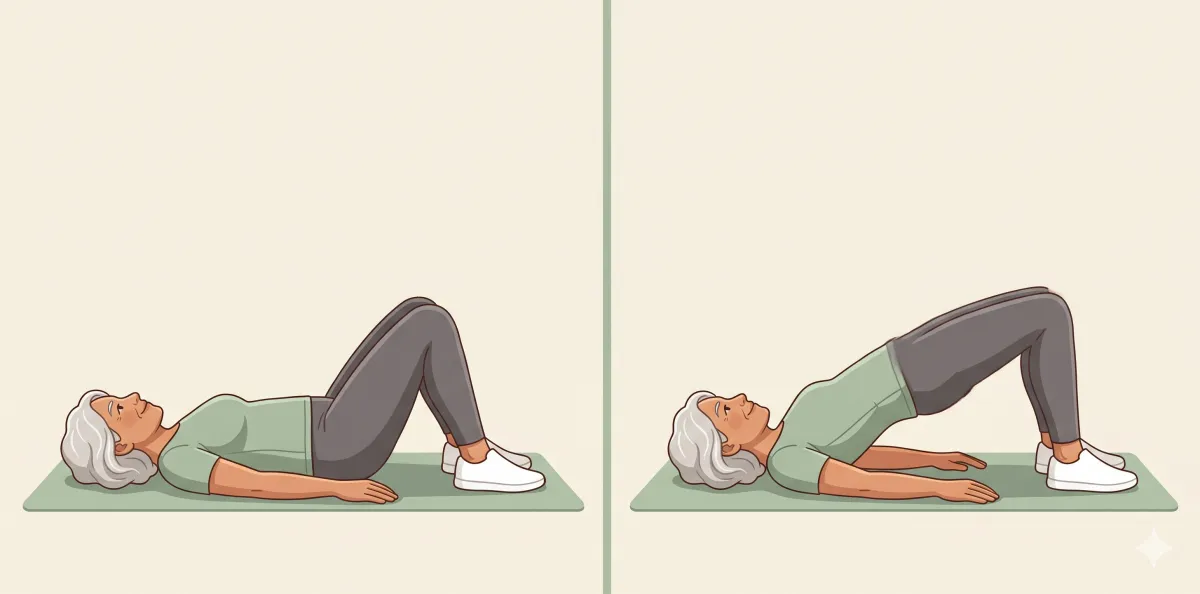
Glute Bridge: the starting position on the left and the finishing position on the right

Glute Bridge

  1. Lie on the mat with knees bent, feet flat on the floor.
  2. Breathe out and press through your heels to lift the hips into a bridge.
  3. Hold for two seconds, then lower slowly.

Aim for: 8–10 reps · 2 sets

Strengthens the glutes and low back.

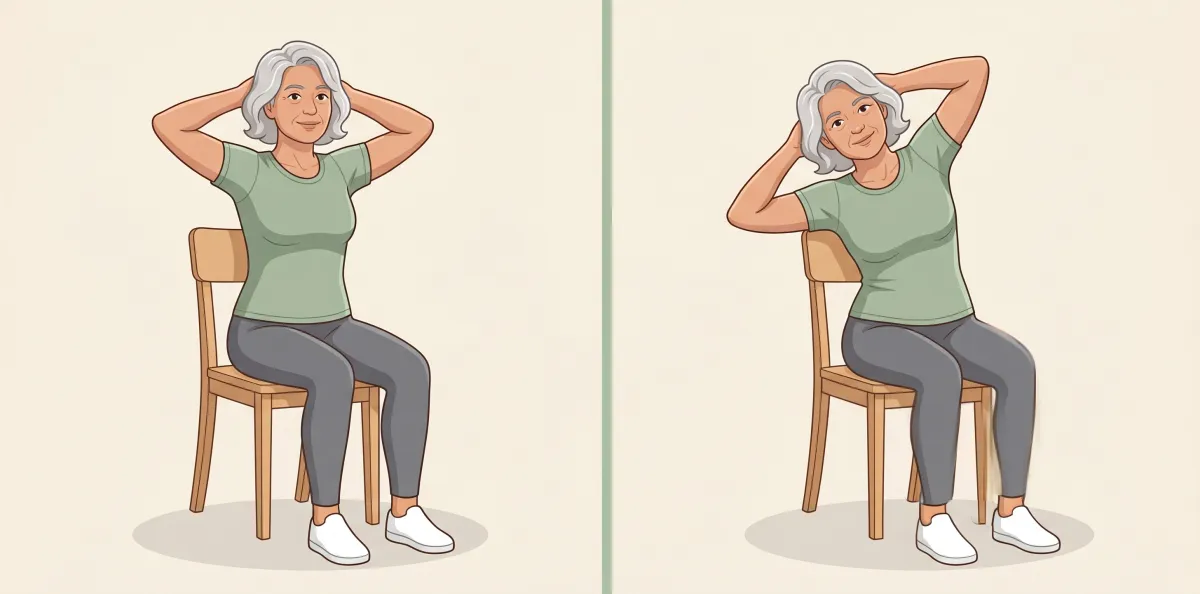
Seated Oblique Side Bend: the starting position on the left and the finishing position on the right

Seated Oblique Side Bend

  1. Sit tall with both hands lightly behind your head.
  2. Breathe out and bend slowly toward one hip.
  3. Return to center and bend to the other side.

Aim for: 8 reps each side · 2 sets

Strengthens the side-waist muscles for turning and balance.

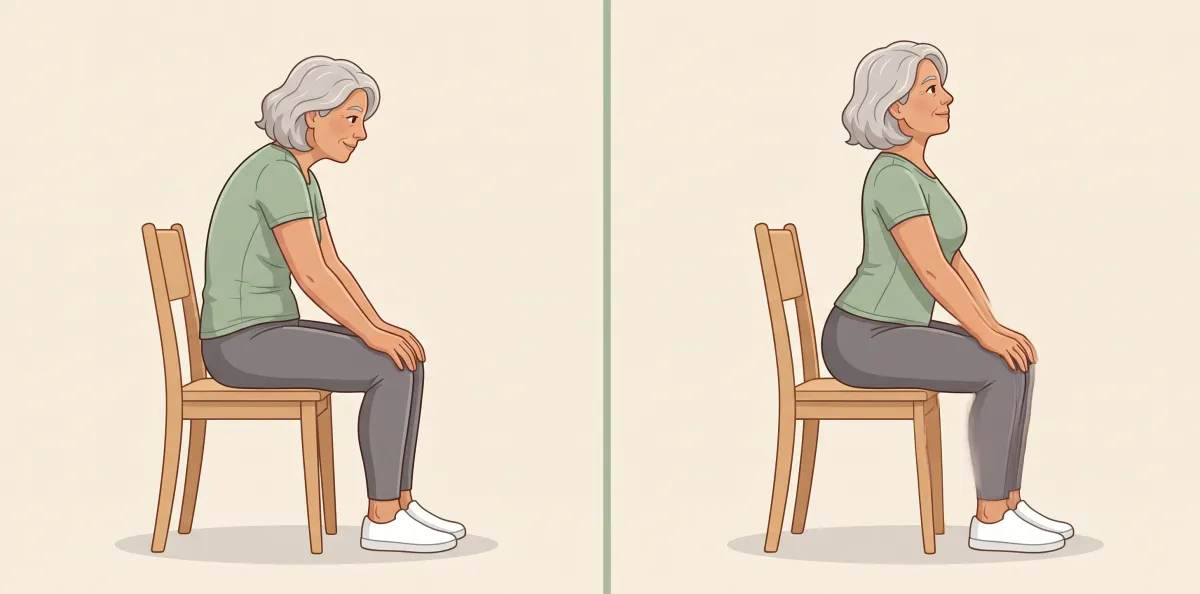
Seated Cat-Cow: the starting position on the left and the finishing position on the right

Seated Cat-Cow

  1. Sit tall with hands on your knees.
  2. Breathe in and arch gently, lifting the chest (cow).
  3. Breathe out and round the back, tucking the chin (cat).

Aim for: 6 slow rounds

Loosens the spine and eases back stiffness.

Print this chart

A one-file PDF with all 7 exercises, large step-by-step text, set and rep counts, and a simple figure for each move. Prints clearly in black and white — tape it to the fridge and follow it each day.

Free · No signup · US Letter · 7 exercises

Check with your doctor before starting a new exercise routine, especially if you have a health condition or have not been active for a while. Move slowly and stop any exercise that causes pain.

Tips

  • Use a non-slip mat that is thick enough to cushion the hips and spine.
  • Move slowly and focus on breathing — Pilates is about control, not speed.
  • If getting up from the floor is difficult, do the seated moves from the chart first.
  • Print on plain white paper for a clear black-and-white chart.

Common questions

Do I need any Pilates experience to use this chart?
No experience needed. The exercises are simplified for beginners, the steps are written in plain language, and the movements are done at your own pace. Focus on breathing steadily and moving with control rather than doing everything perfectly.
Is Pilates safe if I have a weak back?
The gentle moves on this chart are done slowly with full control, which many people with back stiffness find comfortable. If you have a specific back condition, check with your doctor or physical therapist before starting any new routine.
What is the difference between Pilates and yoga?
Both focus on controlled movement and breathing, but Pilates puts more emphasis on building core strength and precise body alignment. Yoga tends to include more stretching and mindfulness. Many people enjoy doing both.